
Trending
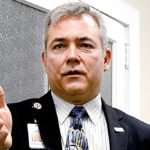
Gjolberg
BUCKHANNON -- St. Joseph's Hospital offered a presentation to the public Thursday focused on the advantages of forming a group advocating for rural hospitals.
After working in Wisconsin with a man who had started an advocacy team on behalf of the area hospital, Skip Gjolberg, administrator for St. Joseph's Hospital, thought "maybe we can do the same thing here in Buckhannon."
On Thursday, Gjolberg provided information on hospitals within rural communities, and how the elimination of these hospitals can leave a lasting impact.
He explained that 14 percent of employment in rural areas is contributed to the health sector, and hospitals are typically one of the top two employers for a rural county. Gjolberg noted he would not consider Buckhannon to be the "typical rural community."
"Most of them don't have a hospital and a college," he commented. "So we're blessed to have that ... We're rural but we're not as rural as you can get."
Since 2010, 81 of more than 1,800 rural hospitals in the country have closed, he said.
Because West Virginia, like other rural states, contains dangerous occupations -- mining, farming, etc. -- plus a larger older population and uninsured or under-insured residents, Gjolberg said it is a necessity to have local health care available.
"This explains why we need health care locally. It's because you have a population that needs to have access," he said.
From an economical standpoint, Gjolberg said when businesses or families consider relocating to a rural area, they are focusing on specific factors.
"Businesses are looking for quality health care, good schools and a labor market if they want to come bring a business here," he said.
When hospitals close it has a major negative economical impact for the community, Gjolberg noted, because unemployment is increased and the community loses an attraction.
"It's kind of a spiral that can impact beyond just 'oh, the hospital isn't there anymore'," he said.
With limited access and increased drive time to another facility, community members would experience more challenges.
By creating a grassroots advocacy team, Gjolberg said he would like to have periodic meetings to discuss issues, and support legislation that is allowing rural hospitals to continue care for communities.
"As a part of the St. Joseph's advocacy team we will contact legislators voicing our right as constituents on issues that matter most to our community, our hospital and our family's care," reads the team's pamphlet.
For those interested in joining the advocacy team, Gjolberg suggests emailing your name, phone number and email address to stjadvocacy@stj.net.