
Aerial drop of oral rabies vaccine set for region
Trending
ELKINS - Starting today, rabies vaccine will be airdropped by a federal agency throughout West Virginia, including into Randolph and surrounding counties.
The United States Department of Agriculture, Animal and Plant Health Inspection Service (USDA-APHIS) announced that the 2026 West Virginia Oral Rabies Vaccine aerial drop will be conducted from today to Sept. 4.
Helicopters will distribute the vaccines, transmitted by means of bait, in the Northern Panhandle and Ohio River today through Aug. 19.
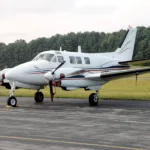
In the central part of the state, including Randolph, Barbour, Upshur and Pocahontas counties, vaccines will be distributed from Aug. 24 – Sept. 4 by means of small, low-flying aircraft.
USDA trucks will disburse the vaccine in areas where aerial drops are not feasible.
As part of the USDA-APHIS initiative against stopping the westward spread of raccoon rabies, the West Virginia Oral Rabies Vaccination Project conducts an aerial bait drop to vaccinate raccoons every year. These bait drops are a combined effort between the USDA-APHIS-Wildlife Services the West Virginia Department of Agriculture, the West Virginia Department of Natural Resources local health departments and the West Virginia Bureau for Public Health.
According to USDA-APHIS, more than 90% of all annually reported rabies cases in the U.S. occur in wildlife. Raccoons are most popularly infected but cases involving bats, skunks, foxes and coyotes are also common.
The vaccine baits are disguised in blister packs, sachets and small, matchbox-sized, boxes covered in a fishmeal coating to attract raccoons.
A raccoon is vaccinated by eating the bait containing the vaccine. The baits are strategically dropped in areas where raccoons will find them. When a racoon bites into the bait, the sachet containing the vaccine breaks open and allows for it to be ingested by the animal. As the population of vaccinated wildlife increases each year, they operate like a shield between humans and domestic animals and the virus, helping to stop the spread.
Most baits contain the ONRAB or RABORAL V-RG vaccines, both made of a single protein gene of the rabies virus, which creates antibodies. The vaccine does not contain the rabies virus and it will not cause rabies in animals or humans. The bait is not harmful, but should be avoided by people and pets if possible.
If a bait is found, it is best to leave it alone unless it is in a yard, driveway or area not likely to attract a raccoon, according to USDA-APHIS. To relocate a bait, it is best to use a glove or other covering such as a bag or paper towel and the bait should be placed in an area of thick brush where a raccoon will find it. If there is contact between the bait and skin, wash the affected area thoroughly with soap and water. The agency also advises to not handle partially eaten or damaged baits with bare hands. If a damaged bait needs to be removed, it can be disposed of with regular trash.
Though the bait is not harmful to pets, it is intended for vaccination of wildlife only and should not purposefully be administered to domestic animals, including livestock. If a pet ingests an intact bait, there is a minimal risk of health issues. If the pet eats a damaged bait, owners should monitor their pet for symptoms. Owners should also avoid contact with bodily fluids of the pet, such as saliva, to the eyes, mucous membranes and broken skin for three days.
If humans come into skin contact with the bait, avoid touching eyes and mucous membranes. Exposure to these areas can result in "pink-eye" and additional cold-like symptoms such as fever, sore throat and headache.
The vaccine does not contain the virus and exposure can not cause rabies. If a person is exposed to a damaged or eaten bait and is immunocompromised, pregnant, had mucous membrane, eye or open skin exposure, the USDA advises calling a personal physician, county and state personnel or the Centers for Disease Control for a follow-up consultation.
After raccoons have had a chance to consume the bait, officials work with cooperators to measure the success of every ORV drop. Live traps are set throughout drop zones with food attractants such as marshmallows and sardines to catch the raccoons. Wildlife biologists and technicians take a blood sample to test rabies antibody levels and a premolar tooth to see if the bait has been ingested since the tetracycline chemical in the bait stains teeth and bone.
The ORV project began in 1997, with county programs in West Virginia starting in the early 2000s. Annually, the ORV project drops around 9 million bait packs across 13 states in the eastern part of the country and Texas.
In 2025, the total bait packs dropped across the region included Randolph County, 87,523; Pocahontas County, 85,052; Barbour County, 46,828; and Upshur County, 45,287. In the entire state of West Virginia, approximately 775,500 baits were dropped last year.
The annual ORV aerial drop has become an important component to managing wildlife rabies. The project has been effective in increasing prevention and helping to stop the spread of raccoon-rabies beyond the Appalachia region.
Additional information about the ORV aerial drop project and bait ingredients can be found on the USDA-APHIS website.