
Trending
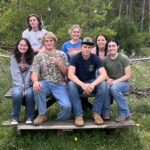
HARMAN – Students in Harman School's 10th-grade biology class recently participated in an exciting hands-on science program focused on two unique Appalachian salamander species: the Cheat Mountain salamander and the red-backed salamander.
The program, presented in partnership with staff from Canaan Valley National Wildlife Refuge, gave students the opportunity to study ecology, conservation, and field research methods while learning about one of West Virginia's rarest amphibians.
During two classroom visits, refuge staff introduced students to the Cheat Mountain salamander and explained how it differs from the more common red-backed salamander. Students learned about the threats facing the Cheat Mountain salamander, including habitat competition from other species and the possible effects of climate change.
Refuge educators also trained students in proper scientific field techniques, including how to conduct transect surveys, safely handle salamanders, and accurately identify the two species in the wild.
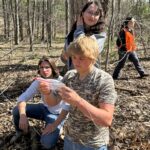
Submitted photo
Harman School 10th-grade biology students spent time in the woods studying salamanders.
Students later conducted their own salamander population study to determine habitat preferences between the red-backed and Cheat Mountain salamanders. They collected and analyzed field data, comparing where each species was found and examining the environmental conditions of those locations. Using their findings, students predicted how climate change and increased species competition could affect the long-term survival of the Cheat Mountain salander.
Mrs. Lane Skidmore, Harman School science teacher, praised the experience and the opportunities it provided for students.
"This program gave our students the chance to apply what they learn in biology to a real-world conservation issue, They were able to work like true scientists by collecting data, analyzing results, and thinking critically about how environmental changes can impact wildlife right here in West Virginia."
The program helped students gain a deeper appreciation for the biodiversity of the Appalachian region while demonstrating how science can play an important role in protecting vulnerable species for future generations.