
Trump spars with write-in opponent over W.Va. ballot access
Castro
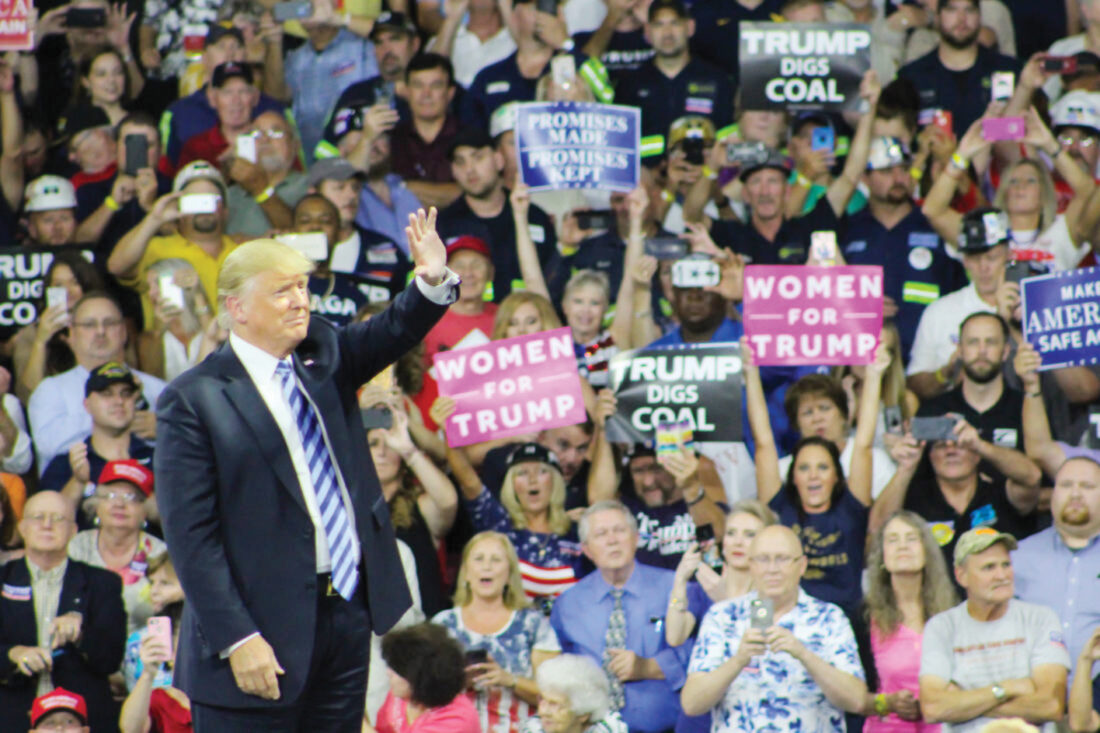
File Photo Donald Trump, a former president indicted on federal and state charges, is shown here campaigning for Patrick Morrisey’s 2018 campaign for U.S. Senate.
Castro
File Photo Donald Trump, a former president indicted on federal and state charges, is shown here campaigning for Patrick Morrisey’s 2018 campaign for U.S. Senate.
Trending
CHARLESTON -- A write-in Republican presidential candidate from Texas and attorneys for former Republican president Donald Trump battled back and forth in court documents between the end of last week and Monday over whether a court case to block Trump from West Virginia's 2024 ballot should move forward.
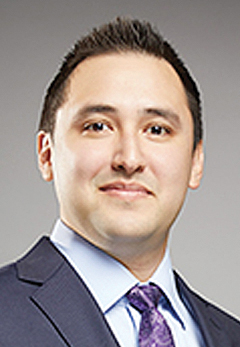
Texas resident and write-in presidential candidate John Anthony Castro filed a response Monday to a court filing made Friday by attorneys for Trump opposing Castro's objections to recommendations made at the end of September by U.S. Magistrate Judge Omar J. Aboulhosn.
Aboulhosn recommended the denial of an emergency application for a restraining order and a request for an expedited preliminary injunction and preliminary bench trial filed by Castro Sept. 7. Castro is seeking a federal court order prohibiting Trump from being placed on the 2024 Republican primary ballot in West Virginia.
Castro argues that the 14th Amendment to the U.S. Constitution prevents Trump from holding future federal offices due to his actions on Jan. 6, 2021, which resulted in a riot at the U.S. Capitol by Trump supporters attempting to stop the certification of the 2020 election for President Joe Biden. Castro claims that allowing Trump on West Virginia's ballot next year will harm Castro's ability to campaign and fundraise.
In their filing Friday, attorneys for Trump argued Castro is not being harmed, as the candidate filing period in West Virginia is not until Jan. 8 through Jan. 27, so there are no candidates certified for West Virginia's 2024 ballot. Trump's attorneys also claim that Castro has raised no money for his campaign. According to filing with the Federal Election Commission, Castrol has raised no money, relying on a $20 million loan from himself.
"(Castro) fails to make a clear showing of irreparable, actual, and imminent injury," wrote Trump attorney J. Mark Adkins. "Instead, Plaintiff rests on his baseless speculation--unsupported by admissible evidence indicating its likely truth--that but for President Trump's presence in the primary campaign for president, votes and donations would flow to him as opposed to candidates with national or local name recognition."
"To put it charitably, (Castro) has never won an election, has no support in any poll, has received no campaign donations and has been endorsed by no one," Adkins continued. "Plaintiff's obscurity is not relative and attributable to President Trump--it is absolute."
Adkins accused Castro of trying to use the courts to decide who becomes the Republican primary nominee for president instead of voters. By most polls, Trump enjoys significant support for the 2024 GOP nomination for president, including in West Virginia.
"Ultimately, this case involves whether the American people are to enjoy their right to choose their leaders by their own decision at the ballot box rather than through the Courts," Adkins wrote. "(Castro) would have the Courts effectively decide a significant part of the 2024 election and declare the defendant ineligible for elective office based on the defendant's allegations of insurrection."
Adkins said it is up to Congress to determine whether a federal or state candidate has violated Section three of the 14th Amendment to the U.S. Constitution, which states that no person can be a federal office holder if they "have engaged in insurrection or rebellion against" the federal government.
"The Constitution establishes a process by which Congress can ultimately decide any question of disqualification under Section 3," Adkins said. "There is simply no reason for this or any other court to preempt or interfere with that process and for it to do so would be decidedly against the public interest."
In his response Monday, Castro said he believes the federal courts are the correct jurisdiction to file a case to determine whether Trump is eligible to be on the ballot. Castro cited Trump's several federal and state indictments, including: allegations of election interference in Georgia; Trump's actions on Jan. 6, 2021; refusing to turn over classified documents he took when he left office, and for inflating the value of his businesses.
"According to defendant Donald John Trump's interpretation of the Constitution, the Republican Party could place Vladimir Putin on the Republican Primary ballot and there is absolutely nothing the federal judiciary could do to stop it," Castro wrote. "If it sounds ridiculous, please recall that this is defendant Donald John Trump's interpretation of the law; a thrice-indicted federal and state criminal defendant that has led more attorneys to be disciplined for outlandish legal arguments than the American Mafia."
The West Virginia Republican Party and the Secretary of State's Office, represented by the Attorney General's Office, made court filings last week opposing Castro's lawsuit and seeking its dismissal.